

It's one of the most common calls our team gets: a homeowner standing in a house that no longer works for them, unsure whether to renovate what's there or tear it down and start fresh. Both paths can be the right call - it depends less on personal preference and more on a handful of concrete factors: the structure's actual condition, your real budget ceiling, and how long you plan to stay. Here's the framework we walk clients through before recommending either path.
1. Start With a Structural Assessment, Not a Wish List
Before discussing finishes or layouts, the foundation, load-bearing walls, and roof structure need an honest professional evaluation. A house with sound structural bones is usually a strong renovation candidate, even if it needs significant cosmetic and mechanical work. A house with compromised foundations, spreading cracks, or corroded reinforcement steel often makes rebuilding the more sensible - and sometimes the only safe - option.
Practical Tip
Hire an independent structural engineer for this assessment rather than relying solely on a contractor's opinion. Contractors are sometimes incentivized toward whichever option is more profitable for them, not necessarily what's structurally most sound for you.
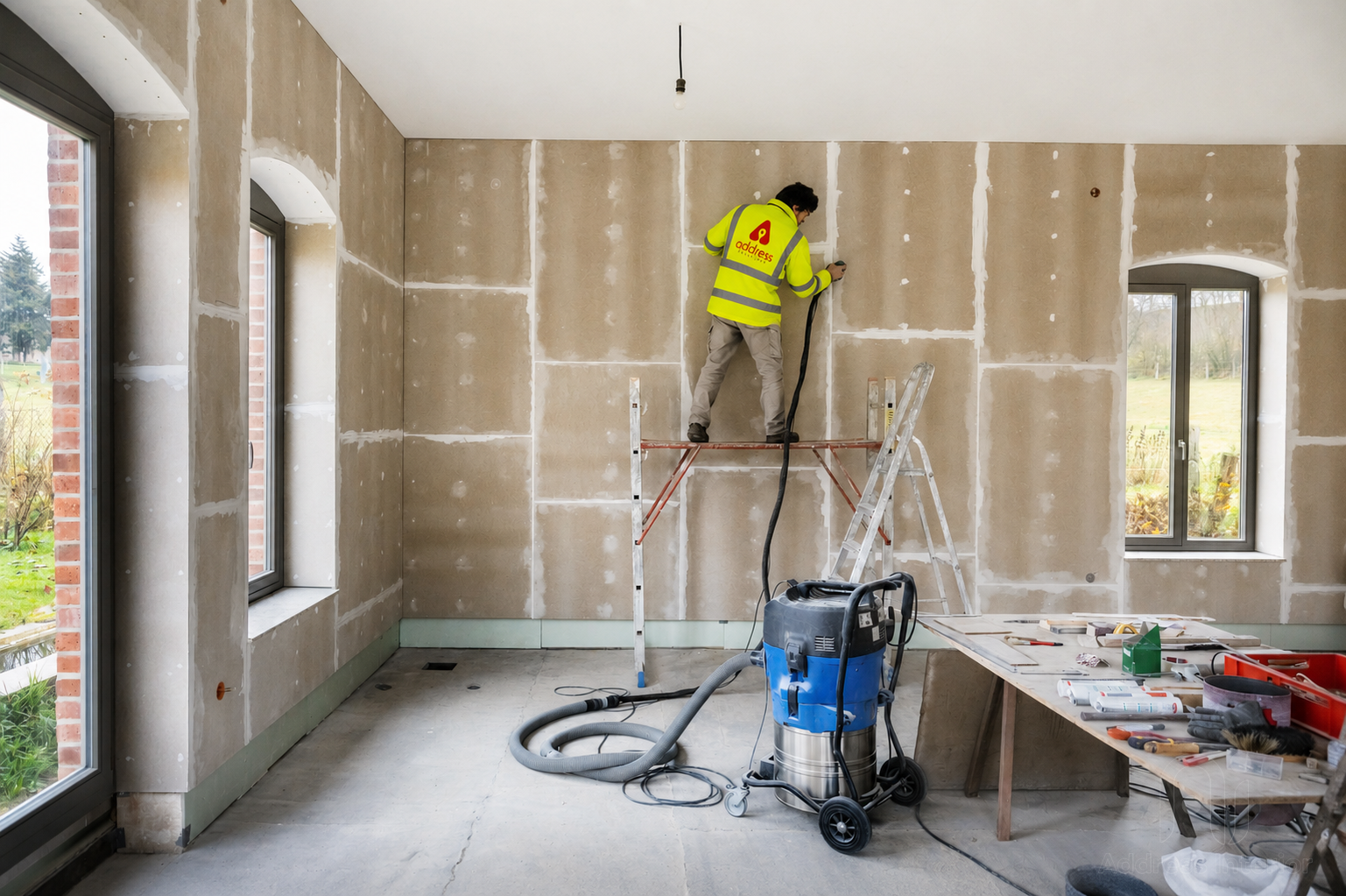 A thorough structural assessment should always come before any renovation decision.
2. Compare the Real Costs, Not the Assumed Ones
Homeowners often assume renovation is automatically cheaper than rebuilding - and while that's frequently true, it isn't guaranteed. Extensive renovations that involve moving load-bearing walls, replacing plumbing and electrical systems throughout, or correcting structural issues can approach 60-70% of new construction costs, without delivering a fully modern layout or systems in return.
Get itemized estimates for both paths before deciding. A side-by-side comparison, not a rough guess, is what actually reveals the more cost-effective option for your specific house.
"We always tell clients: if your renovation budget is creeping past two-thirds of a rebuild estimate, it's worth seriously reconsidering. At that point you're often paying rebuild-level costs for a house that still has an old-house layout underneath."
Address Solutions Construction TeamInterior & Construction Division
3. Factor In How Long You Plan to Stay
Short-Term Owners vs. Long-Term Homeowners
If you plan to sell within a few years, a well-targeted renovation - kitchen, bathrooms, and curb appeal - typically delivers a better return than a full rebuild, which rarely recovers its full cost at resale in that timeframe. If this is a forever home, a rebuild that gives you exactly the layout, room count, and systems you need can be worth the higher upfront investment.
There's a middle scenario worth mentioning too: owners who aren't sure how long they'll stay. In that case, we generally recommend erring toward renovation unless the structural assessment rules it out - a well-executed renovation preserves optionality, since it neither locks you into a long construction timeline nor commits you to a decade-plus payback horizon before you've decided your own plans.
4. Consider the Disruption Timeline
Renovations, especially partial ones, sometimes allow a family to remain living in part of the house during construction. Rebuilds require full relocation, usually for eight to fourteen months depending on scale and approvals. For families with young children, elderly parents, or tight housing budgets, this disruption factor often matters as much as the cost comparison.
- Phased renovations can sometimes be sequenced room-by-room to reduce disruption
- Rebuilds require securing temporary accommodation for the full construction period
- Both paths require realistic timeline buffers - Pakistani construction projects commonly run 15-25% longer than initial estimates
5. Check What Your Current Layout Can Realistically Achieve
Some layout problems - a cramped kitchen, a poorly placed staircase, insufficient natural light - can be solved through renovation. Others, like a plot orientation that traps heat or a footprint too small for a growing family's needs, often cannot be solved without changing the building's shell entirely. Understanding which category your frustrations fall into is often the deciding factor.
Quick Tip
Walk through the house room by room and separate "I don't like this" frustrations from "this doesn't function" frustrations. Cosmetic dislikes are almost always solvable through renovation; functional and structural problems are the ones that push the decision toward rebuilding.
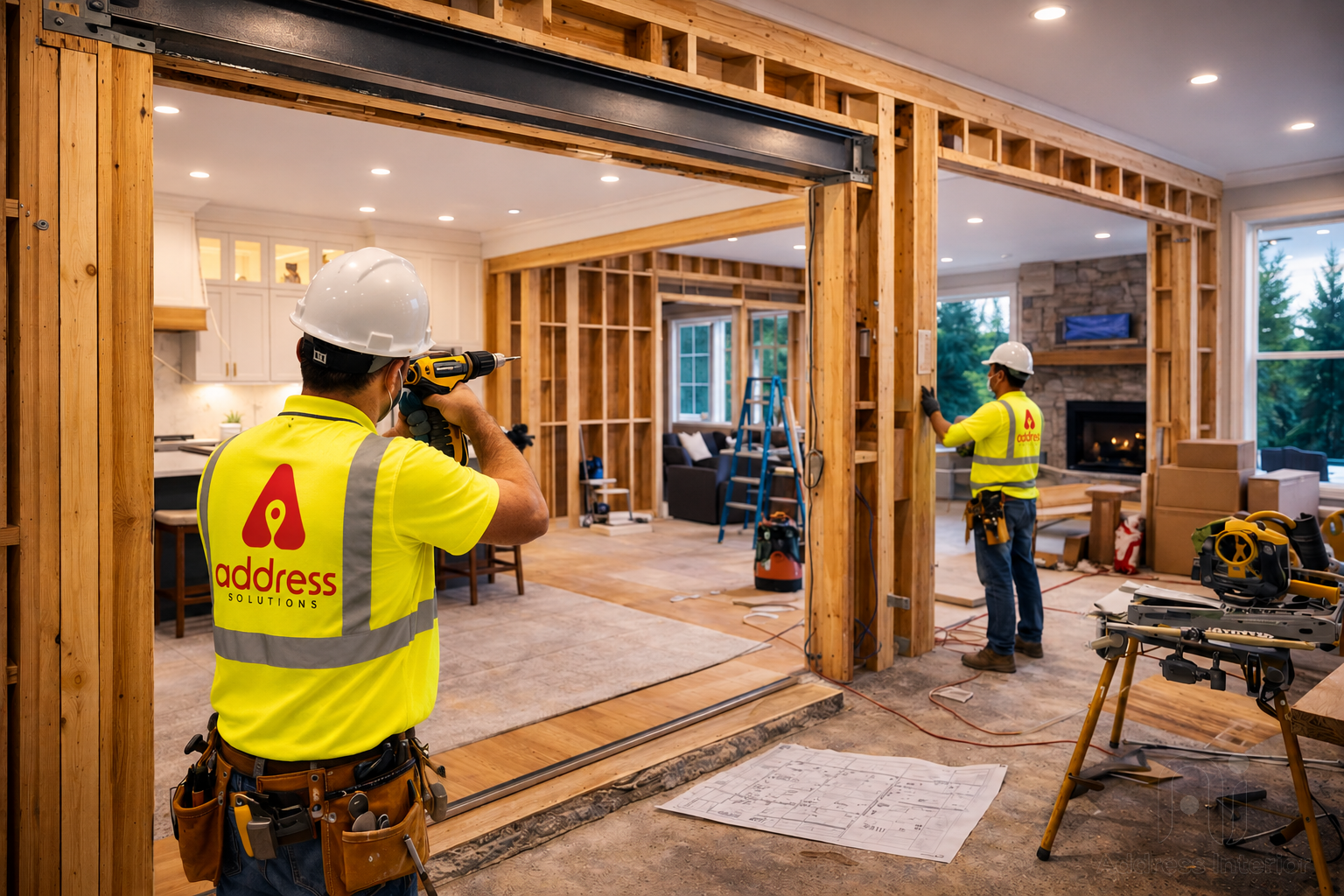 A well-scoped renovation can deliver a dramatic transformation without a full rebuild.
6. Factor In Approvals, Permits, and Regulations
A rebuild almost always requires fresh building permits, updated architectural drawings, and approval from the relevant development authority - a process that can add weeks or months before construction even begins. Renovations that don't alter the building's footprint or structural elements generally face far lighter regulatory requirements, which is worth factoring into your realistic timeline.
If your area's building bylaws have changed since the house was originally constructed, a rebuild may also require you to comply with new setback, height, or floor-area requirements that didn't apply when the original structure was built - sometimes reducing your final buildable area compared to what exists today.
The right decision is rarely obvious from the outside of the house. It's almost always visible once you've opened up a wall and seen what's actually holding the building together.
— Address Solutions Construction TeamA Real-World Example
A family in Islamabad approached us wanting to rebuild their 25-year-old home entirely, assuming the ageing structure was beyond saving. Our structural assessment found the foundation and frame were actually sound - the real complaints were an outdated kitchen, poor natural light, and inefficient room layout. A targeted renovation addressing those three issues cost roughly 40% of a full rebuild and was completed in five months instead of the twelve a rebuild would have required. Not every case resolves this way, but it illustrates why the assessment has to come before the decision, not after.
Conclusion
There's no universally right answer to renovate versus rebuild - only the right answer for your specific house, budget, and timeline. Start with an honest structural assessment, get real cost comparisons for both paths, and weigh how long you plan to stay against the disruption each option involves. Homeowners who follow this sequence, rather than starting with a gut preference, tend to end up far happier with the outcome. If you're weighing this decision for your own home, our team can walk your property and help you see clearly which path actually makes sense.


