Owning a property in Pakistan's major cities is, for most families, one of the largest investments they will ever make. Yet a surprising number of owners treat that investment passively - a plot that sits vacant, a rented-out unit managed informally, or a commercial space that generates far less income than it could. Return on Assets (ROA) management is the discipline of closing that gap: turning ownership into a structured, income-generating relationship with your property.
What ROA Actually Means in Practice
Return on Assets, in the context of real estate, refers to how efficiently a property generates income or value relative to what it's worth. A well-managed rental unit in a good location might generate a healthy annual yield. The same unit, poorly marketed, inconsistently maintained, and managed reactively, might sit vacant for months at a time - representing the same capital tied up but generating a fraction of the return.
Structured ROA management addresses this gap through active oversight: tenant sourcing and screening, lease management, maintenance planning, and ongoing performance tracking against the property's income potential.
 Structured asset evaluation is the starting point for any ROA strategy.
Step 1: Property and Market Evaluation
Before any management plan makes sense, the property needs an honest evaluation - its condition, its position relative to comparable properties in the area, and realistic rental or resale expectations based on current market data rather than optimistic assumptions.
Practical Tip
Get a written comparative market analysis before setting a rental price. Overpricing by even 10-15% commonly leads to extended vacancy periods that cost owners far more than the higher rent would have earned.
Step 2: Positioning the Property for the Right Tenant or Buyer
Not every property suits every tenant profile. A family-oriented unit near good schools should be marketed differently than a compact apartment aimed at young professionals near a business district. Matching the property's strengths to the right audience shortens vacancy periods significantly.
- Professional photography and accurate listing descriptions reduce time-to-lease
- Targeted marketing toward the property's realistic tenant profile, not a generic audience
- Transparent, upfront terms that reduce negotiation delays and tenant turnover
Step 3: Tenant Screening and Lease Structuring
A vacant unit costs money every month it sits empty, but a poorly screened tenant can cost far more - in missed payments, property damage, or a difficult eviction process. Proper screening includes income verification, rental history, and clearly structured lease terms that protect both parties.
"Owners often focus entirely on filling a vacancy quickly and skip screening to save time. In our experience, a two-week delay to properly screen a tenant is almost always cheaper than a bad tenancy that ends in arrears or damage."
Address Solutions ROA TeamROA Asset Management Division
Step 4: Ongoing Maintenance as an Investment, Not a Cost
Deferred maintenance is one of the quietest ways property value erodes. A leaking roof left unrepaired, ageing plumbing, or a neglected exterior don't just reduce a tenant's experience - they compound into larger, costlier repairs and depress resale value over time.
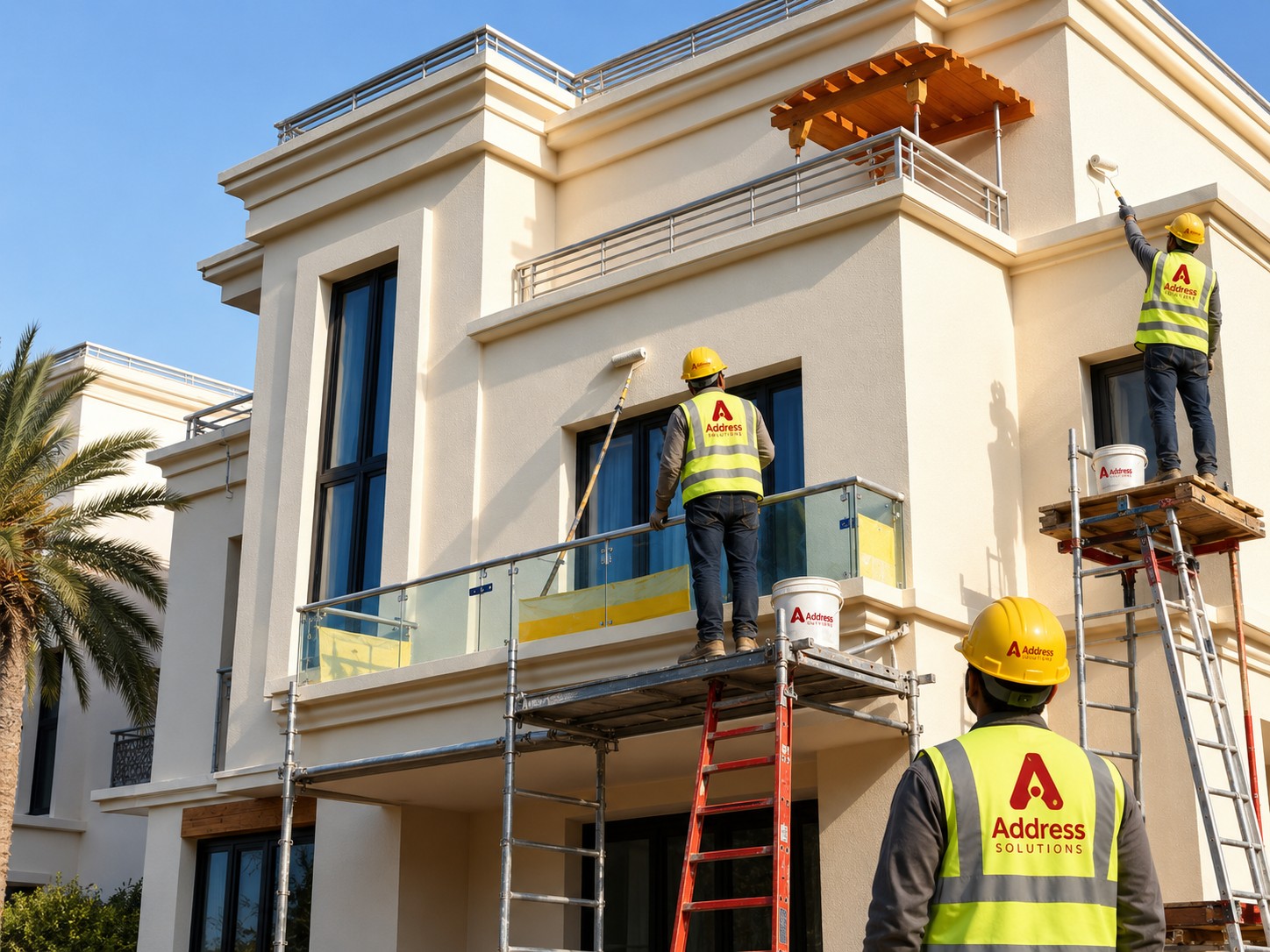 Proactive maintenance planning protects both rental income and long-term asset value.
A Simple Framework
We recommend owners think of maintenance in three tiers: routine upkeep (monthly), preventive inspections (quarterly), and major system reviews (annually) - covering roofing, plumbing, electrical, and structural elements. This rhythm catches small issues before they become expensive ones.
Step 5: Performance Tracking and Periodic Review
ROA management isn't a one-time setup - it's an ongoing cycle. Rental rates should be reviewed periodically against the current market, not left static for years. Occupancy rates, maintenance costs, and net yield should be tracked so owners have a clear, current picture of how their asset is actually performing.
Quick Tip
Ask for a quarterly performance summary from whoever manages your property - occupancy rate, net income after expenses, and any maintenance completed. If you can't get this in writing, you likely don't have visibility into your own asset's real performance.
Understanding Yield vs. Appreciation
Owners sometimes conflate two different measures of return: rental yield (the income a property generates relative to its value) and capital appreciation (how much the property's value grows over time). Both matter, but they respond to different strategies. A property in a rapidly developing area might offer modest rental yield today but strong appreciation over five to ten years. A well-located commercial unit might offer the reverse - strong, stable yield with slower appreciation.
Knowing which of these matters more for your financial goals - steady monthly income now, or long-term capital growth - shapes almost every decision that follows, from which tenants to target to how much to reinvest in upgrades versus how much to hold as profit.
A property that isn't earning what it should isn't usually a bad asset - it's an under-managed one. The difference between the two is almost always process, not location.
— Address Solutions ROA TeamWhen Hands-Off Management Makes the Most Sense
Many owners - particularly those living abroad, managing multiple properties, or simply without the time for hands-on oversight - benefit most from full-service ROA management, where sourcing, leasing, maintenance, and reporting are handled end-to-end. This turns a property from an occasional source of stress into a genuinely passive, structured income stream.
It's worth noting that hands-off doesn't mean uninformed. A good ROA partner keeps you updated on major decisions and financial performance, even while handling day-to-day operations on your behalf.
What to Ask Before Handing Over Management
Before signing a management agreement, ask how disputes with tenants are handled, how maintenance vendors are vetted, and how often you'll receive financial reporting. A partner who can answer these clearly, without vague reassurances, is usually one worth trusting with the asset.
Getting Started
If you're unsure where your property currently stands, the first useful step isn't a management contract - it's an honest evaluation. Understanding your property's current yield, its condition, and how it compares to similar assets in the area gives you a baseline to work from, whether you choose to manage it yourself with better tools and discipline, or hand it to a dedicated team.
Conclusion
Owning property and managing it well for return are two different skill sets, and there's no shame in recognising that the second one benefits from dedicated attention. Structured ROA management - from honest evaluation through tenant screening, maintenance, and ongoing performance review - is what separates a property that quietly underperforms from one that consistently earns its keep. If your property isn't generating what you believe it should, that gap is usually addressable, not permanent.